Streamlining Corporate Financial Operations in Dynamic Markets
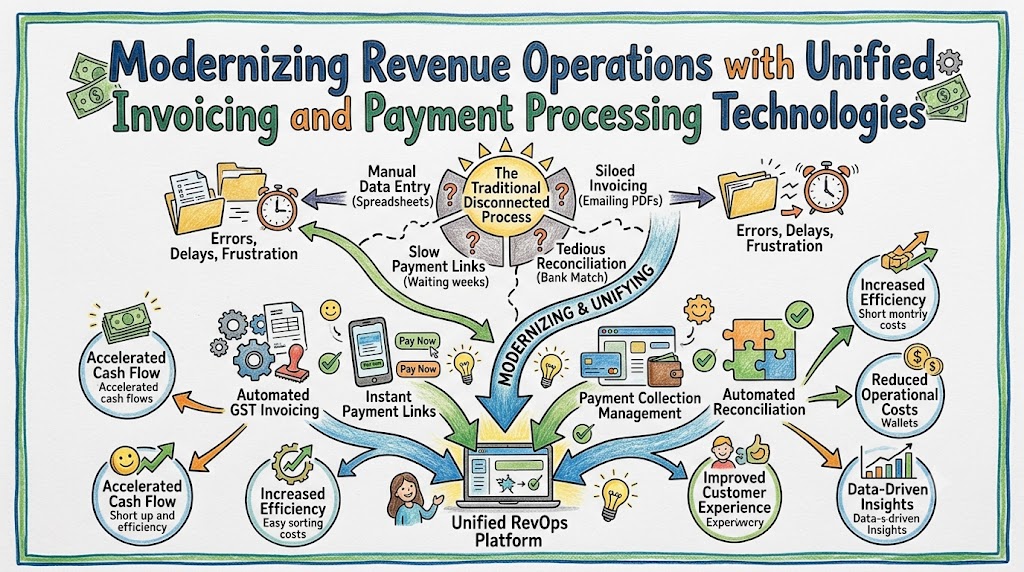
Growing organizations need total precision when overseeing billing processes and incoming capital flows. Expanding enterprises often encounter fragmented transactional records, disconnected payment gateways, and heavy administrative burdens. Relying on manual spreadsheet tracking delays accounting departments and introduces costly processing mistakes. Centralized management platforms fix these bottlenecks by unifying billing activities, payment collection channels, and settlement tracking into a single operational interface. Automating everyday accounting tasks optimizes working capital, removes processing delays, and provides finance leaders with continuous oversight of organizational liquidity.
Modernizing Receivables Through Automated Workflows
Outdated billing processes rely heavily on manual data entry and disjointed communication channels. Finance teams spend hours cross-referencing bank statements against outstanding customer ledgers. Human mistakes during manual data entry frequently cause billing disputes and delay cash collection.
Adopting automated billing frameworks removes friction across every stage of the collection cycle. Automated systems update payment statuses instantly, eliminating the need for manual status confirmation calls. Organizations achieve faster payment processing times, lower administrative costs, and maintain healthy cash reserves.
Core Features of Digital Billing Software
A centralized invoice and payment management software powers modern outbound billing and revenue tracking. It unifies invoice generation, payment link requests, and multi-gateway processing within one intuitive dashboard. Consequently, accounting teams retain complete control over incoming revenue streams.
Smart platforms automate repetitive ledger postings and update account balances instantly upon transaction confirmation. Unifying these essential functions eliminates data silos and improves operational transparency across departments. Upgrading to a central financial hub transforms traditional accounting into a proactive strategic asset.
Achieving GST Compliance and Invoicing Standards
Regulatory compliance remains a top priority for corporate finance teams operating throughout India. Utilizing reliable GST invoice software India companies rely on guarantees that every issued bill meets strict statutory requirements. Automated tax engines handle complex tax calculations instantly and eliminate costly human mistakes.
- Calculations: Determines CGST, SGST, and IGST rates automatically based on customer geography and item tax classes.
- Custom Invoices: Builds professional invoice templates with official corporate logos and specific payment terms.
- Discount Processing: Calculates line-item discounts accurately without corrupting mandatory tax calculations.
- Audit Compliance: Assigns sequential, tamper-proof invoice numbers to satisfy official tax audit guidelines.
Accelerating Collection Times with Instant Payment Links
Requesting payments through traditional bank transfers often causes unnecessary delays and friction for clients. Deploying a dedicated payment link management platform allows sales and billing teams to collect funds effortlessly. Staff can create secure, dynamic payment links tied directly to specific invoice numbers within seconds.
These flexible links support custom expiry dates, automatic payment reminders, and partial settlement settings. Customers receive links via email, SMS, or instant messaging, allowing them to complete transactions using their preferred payment methods. Offering frictionless payment channels improves customer satisfaction and dramatically reduces payment turnaround times.
Elevating Cash Flow Clarity Through Real-time Tracking
A lack of real-time collection data creates blind spots for leadership teams attempting to manage capital distribution. Adopting flexible payment collection management software offers real-time oversight of all incoming customer payments. Teams monitor settlements across digital wallets, credit cards, debit cards, net banking, and UPI channels continuously.
Immediate collection updates enable proactive working capital management and faster executive decision-making. Operational teams fulfill orders immediately after receiving digital payment confirmations, eliminating manual verification delays. Complete transaction visibility reduces customer disputes and strengthens client relationships.
Connecting Multiple Gateway Infrastructures Effortlessly
Operating multiple payment gateways often leads to administrative complexity and disjointed financial reporting. However, relying on a single gateway leaves businesses vulnerable to unexpected network downtime and transaction failures. A flexible multi gateway payment dashboard resolves these challenges by aggregating transaction data from Paytm, Cashfree, Razorpay, and other providers into one interface.
- Unified Dashboards: Combines settlement metrics and processing success rates across all connected gateway accounts.
- Banking Continuity: Integrates with existing vendor accounts without requiring changes to corporate banking relationships.
- Transaction Routing: Routes customer payments through optimal processing routes to maximize transaction success rates.
- Cost Analysis: Compares processing fees, settlement speeds, and performance metrics across payment vendors easily.
Complete Lifecycle Visibility for Every Transaction
End-to-end transaction monitoring ensures that unpaid accounts receive prompt attention from collection teams. Advanced invoice payment tracking software provides real-time visibility into every stage of an invoice’s lifecycle. Managers track exactly when a customer receives, views, pays, or ignores an invoice.
Automated reminder schedules send polite payment alerts as due dates approach, keeping receivables top of mind. Comprehensive audit logs store exact time stamps for every transaction to speed up dispute resolution. Structured tracking shortens collection cycles and prevents bad debt write-offs.
The Shift Toward Automated Financial Workflows
Fast-growing companies quickly outgrow manual accounting processes and fragmented tracking methods. Rising transaction volumes overwhelm accounting departments, increasing the risk of missed entries and delayed settlements. Financial automation has become a core requirement for companies seeking sustainable operational growth.
Automated processing engines execute routine financial tasks accurately around the clock. System-driven workflows eliminate human intervention from repetitive tasks like status updates and ledger entries. Embracing complete financial automation allows corporate accounting teams to handle higher transaction volumes effortlessly.
Streamlining Bank Reconciliation with Smart Matching
Matching customer bank settlements against open invoices manually remains one of the most tedious accounting tasks. Deploying robust automated payment reconciliation software automates this entire matching process. The system imports gateway settlement files automatically and links incoming payments directly to corresponding invoices.
- Matching Engines: Links settlement files directly to corresponding customer accounts and invoice IDs automatically.
- Flagging Exceptions: Detects unmatched, short-paid, or duplicate transactions instantly for administrative review.
- Audit Records: Maintains detailed logs covering invoice creation, approval, customer payment, and final bank deposit.
- Resource Optimization: Reduces manual matching work by eighty percent, allowing accountants to focus on strategic tasks.
Boosting Receivables with Intelligent Workflows
Maintaining cash flow speed depends on how quickly an enterprise converts issued invoices into liquid funds. Leveraging modern accounts receivable automation software accelerates the entire collection lifecycle. Automated workflow engines dispatch customized payment reminders, apply late charges, and generate account statements automatically.
Systematic collection sequences reduce Days Sales Outstanding (DSO) metrics significantly across all customer segments. Real-time receivables dashboards identify high-risk accounts early, allowing managers to adjust credit limits proactively. Accelerating receivables management ensures steady cash inflows to support expansion plans.
Unifying the Complete Invoice to Cash Process
The invoice-to-cash process spans every operational stage from billing creation to final bank deposit. Implementing comprehensive invoice to cash automation software unites these segregated steps into a continuous processing pipeline. Unifying these functions eliminates operational friction between sales, billing, and accounting units.
Automated workflows update customer balances, record tax liabilities, and adjust ledgers instantly upon payment confirmation. Eliminating system hand-offs speeds up cash realization and reduces administrative overhead. Comprehensive invoice-to-cash integration maximizes overall financial productivity across the organization.
Building Scale-ready Infrastructure for Enterprise Management
Large organizations operating across multiple regions require enterprise-grade controls to manage complex collection channels. Deploying an enterprise payment management platform equips administrators with multi-tier approval workflows and granular access permissions. Regional managers execute local operations while senior executives maintain central oversight.
Secure REST APIs connect the platform seamlessly with existing enterprise resource planning (ERP) platforms and CRM systems. Custom reporting engines deliver tailored financial summaries directly to leadership teams on schedule. Enterprise-ready platforms accommodate rising transaction volumes while maintaining strict corporate governance standards.
Driving Business Value Through Live Financial Metrics
Delayed financial data forces business leaders to make capital allocation decisions using outdated information. Instant transaction visibility eliminates this uncertainty by offering live metrics on collections, pending settlements, and vendor processing fees.
Continuous data feeds support accurate cash forecasting and optimal short-term investment planning. Operational teams address failed payments immediately, improving customer retention rates and satisfaction levels. Live data converts raw transaction records into actionable strategic insights instantly.
Protecting Corporate Assets with Advanced Security Standards
Processing digital payments requires enterprise-grade security architecture and strict adherence to data privacy standards. Modern payment architectures utilize multi-layer encryption protocols to protect sensitive financial data during transmission.
Role-based access permissions ensure that authorized personnel access only the financial records necessary for their specific duties. Comprehensive system logs record every user action, providing complete transparency for internal controls and regulatory audits. Robust security standards protect corporate assets and maintain customer trust.
Converting Billing Data into Strategic Insights
Data-driven analytics empower finance directors to refine collection strategies and manage operational liquidity effectively. Advanced reporting tools transform billing data into clear charts illustrating collection patterns, payment method preferences, and customer payment histories.
Identifying late-payment patterns allows credit managers to adjust payment terms before debts become uncollectible. Monitoring gateway performance metrics helps teams optimize vendor choices and lower processing fees over time. In-depth analytics convert routine financial records into powerful decision-making assets.
Key Use Cases Across Diverse Industries
- Digital Commerce: Handles high-volume billing effortlessly and consolidates multi-gateway collections into one dashboard.
- Software Enterprises: Automates recurring subscription billing, manages dynamic payment links, and tracks customer renewals.
- Manufacturing Organizations: Manages complex tax invoicing, tracks partial milestone payments, and reconciles bulk corporate settlements.
- Corporate Services: Simplifies billing workflows, distributes automated payment links, and tracks retainer balances accurately.
Practical Steps for Improving Payment Operations
- Standardize Billing Terms: Define clear payment deadlines and billing policies across all customer contracts upfront.
- Expand Collection Channels: Provide clients with flexible payment links and gateway choices to speed up settlements.
- Automate Dunning Workflows: Set up automated email and SMS alerts to remind clients of upcoming or past-due invoices.
- Reconcile Accounts Daily: Utilize automated reconciliation tools to match settlements daily and prevent backlog build-up.
- Track Receivable Metrics: Monitor DSO rates, collection efficiency, and payment failure trends continuously to refine operations.
Transforming Operations Through PayManagerPro
PayManagerPro provides a modern software suite engineered to help expanding organizations simplify their invoicing and collection workflows. Consolidating invoices, payment links, gateway settlements, and bank reconciliation into one centralized interface eliminates fragmented spreadsheets entirely.
The solution functions as versatile GST invoice software India companies rely on, generating customized, tax-compliant invoices with clear payment terms quickly. Its flexible payment link management tools and multi-gateway dashboard aggregate incoming payments across vendors like Paytm, Razorpay, and Cashfree without disrupting existing banking setups.
By automating payment reconciliation, receivables workflows, and end-to-end tracking, PayManagerPro streamlines the complete invoice-to-cash pipeline, serving as an ideal enterprise payment management platform for modern accounting teams.
Factors to Consider When Selecting Financial Software
Choosing an appropriate financial platform requires matching software features with your organization’s operational requirements. Confirm that the platform integrates smoothly with your current ERP systems and payment gateways without requiring costly engineering overhauls.
Prioritize software that provides automated reconciliation, customizable payment links, and detailed multi-gateway reporting features. Verify that the vendor maintains enterprise-grade security protocols and provides dedicated customer support services. Selecting the right platform creates a durable foundation for long-term commercial growth.
Frequently Asked Questions About Payment Platforms
1. Which operational features define modern invoice and payment management software?
This software merges bill creation, payment links, gateway dashboards, and automated reconciliation into one system, eliminating manual spreadsheet entry.
2. Does this platform handle regional tax compliance for businesses in India?
Yes, it functions as reliable GST invoice software India businesses use to calculate CGST, SGST, and IGST rates automatically for compliant billing.
3. What advantages do digital payment link management tools provide?
Users create dynamic payment links with custom expiration settings, partial-payment options, and automated alerts, distributing them via email, SMS, or WhatsApp.
4. Can our organization maintain existing processing vendor relationships?
Yes, the multi gateway payment dashboard aggregates data from gateways like Razorpay, Cashfree, and Paytm without forcing banking changes.
5. How do automated matching tools improve reconciliation accuracy?
The software links bank payouts to unpaid invoices automatically, surfacing unmatched records for fast administrative investigation.
6. Does the system track overdue accounts receivable balances continuously?
Yes, integrated invoice payment tracking software highlights invoice viewing status, collection ageing, and late payment notifications in real time.
7. How does automated collection software accelerate organizational cash flows?
Functioning as accounts receivable automation software, it sends automated dunning notices, updates ledger balances, and minimizes payment delays.
8. Is this software configured for enterprise security and multi-branch management?
Yes, the enterprise payment management platform provides role-based permissions, maker-checker authorization workflows, API links, and multi-branch configurations.
9. Can customers submit partial settlements against issued invoices?
Yes, managers configure partial-payment settings on payment links based on specific client terms and commercial policies.
10. How does a single financial dashboard improve enterprise liquidity management?
Connecting billing creation, payment requests, processing routes, and bank deposits within one platform provides leadership with immediate collection visibility.
Summary of Next Steps for Financial Modernization
Upgrading core financial operations is essential for companies aiming to sustain growth and maintain healthy cash reserves. Adopting an integrated billing and collection framework eliminates manual data entry mistakes, accelerates customer payments, and simplifies bank reconciliation completely. Automating the complete invoice-to-cash lifecycle gives executive teams continuous visibility over enterprise revenue streams. Implementing dynamic financial management tools gives your organization the operational speed, security, and scalability required to succeed in modern commercial markets.