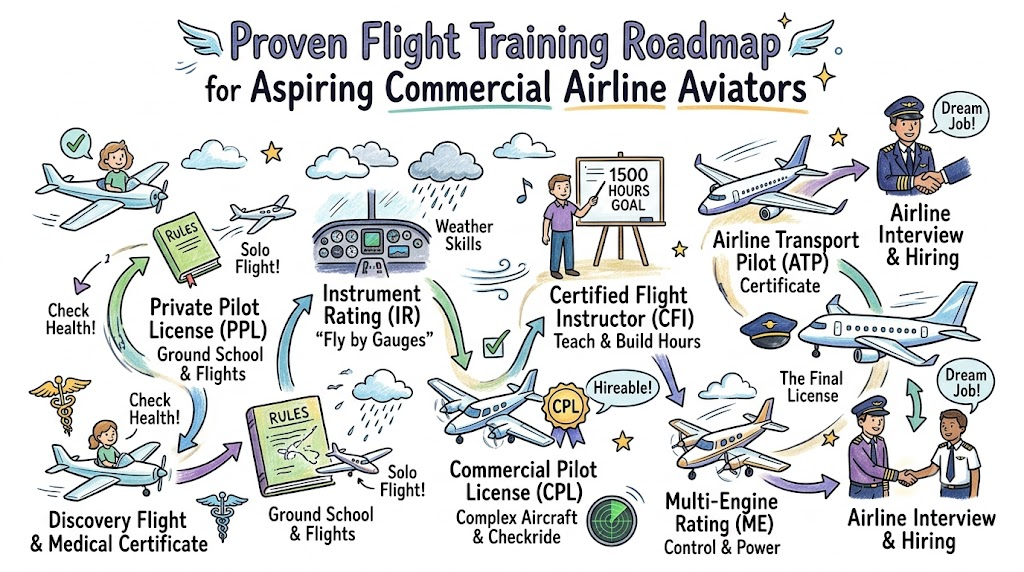
Charting the Flight Deck Journey
Aspiring aviators must make sharp, well-informed decisions when entering the aviation sector. Future flight crew members frequently face confusion because hundreds of institutions advertise identical career outcomes without showing operational realities.
Selecting an elite flight training academy directly builds your situational awareness, standard operating discipline, and multi-crew flight proficiency. BestPilotsSchool gives prospective pilots a transparent directory to explore global aviation institutions, review active trainer fleets, and select syllabi matched to specific cockpit goals.
Inspecting aircraft availability, certified flight simulators, and instructor depth early prevents expensive scheduling roadblocks while speeding up your journey to airline employment.
Foundational Influence of Training Quality
Flight academies build your airmanship instincts and emergency reflexes during your initial flight hours. Premier academies uphold rigorous safety systems, sophisticated glass cockpits, and demanding ground schools.
Major passenger airlines thoroughly evaluate your training background during cadet selection. Airline interview panels prefer graduates from highly structured flight academies because these individuals display disciplined cockpit coordination and sharp decision-making skills.
Furthermore, academies with inadequate fleet maintenance cause long scheduling delays for flight tests. Selecting an organized, well-equipped training center maintains steady flight progress and prevents unexpected expenses.
Structural Frameworks in Aviation Education
Aviation institutions offer distinct training structures created for specific student schedules and budgets. Local flying clubs provide self-paced instruction ideal for hobbyists and working professionals seeking private licenses.
Meanwhile, university aviation faculties combine four-year bachelor’s degrees with professional flight ratings, delivering comprehensive academic depth alongside flight hours. Commercial flight centers deliver accelerated career syllabi designed to move zero-time students directly into professional pilot roles.
Review this structural guide to select the right training format:
| Training Structure | Completion Speed | Target Credential | Primary Candidate |
|---|---|---|---|
| Aviation Flying Club | Flexible / Part-Time | Private Pilot License | Working Professionals & Aviators |
| Collegiate Flight Program | 3–4 Academic Years | Degree + Commercial Multi-Engine | High School Graduates |
| Accelerated Academy | 12–18 Full-Time Months | Fast-Track Commercial Certificate | Dedicated Career Changers |
Core Components of Commercial Pilot Certification
Earning an unrestricted commercial certificate demands rigorous aerodynamic knowledge, precise instrument flying skills, and dependable emergency handling. Cadets progress through complex single-engine and multi-engine phases while logging crucial solo cross-country hours.
Moreover, commercial pilot license training develops vital competence in high-altitude operations, adverse weather navigation, and transport aircraft systems. Intensive ground instruction prepares candidates to pass demanding regulatory written examinations with exceptional scores.
Flight instructors continuously test your critical thinking and risk analysis through realistic scenario-based training flights.
Strategic Criteria for Evaluating Pilot Academies
Choosing the right academy requires systematic evaluation beyond promotional marketing materials and facility tours. You must examine instructor turnover rates, fleet maintenance routines, and official graduate hiring outcomes.
Use this operational scorecard during your academy assessments:
- Active Fleet Size: Verify that the academy maintains enough airworthy aircraft to support its active student base.
- Instructor Depth: Ensure the academy retains experienced flight instructors across your entire training syllabus.
- Airfield Operations: Train at airports with active control towers to build confident air traffic communication skills.
- Fee Structure Transparency: Confirm that quotes cover fuel surcharges, regulatory test fees, and ground briefing hours.
Using these criteria guarantees you find the best pilot schools suited to your career ambitions.
Tailoring Flight Training to Career Objectives
Every aviation cadet pursues specific professional milestones, whether flying wide-body international airliners, corporate business jets, or cargo freighters.
The best flight schools construct advanced syllabi that prepare students for transport-category airline cockpits. Premier institutions build direct airline bridge agreements that channel qualified graduates into regional airline cockpits.
Choosing an academy that aligns with your specific career objective eliminates redundant ratings and saves significant flight funds.
Distinct Advantages of Premier Commercial Academies
Top-tier commercial academies create an authentic airline environment from your very first dual flight lesson. They utilize advanced flight training devices that accurately simulate modern transport-category aircraft cockpits.
Furthermore, the best commercial pilot training schools enforce standard operating procedures modeled after international passenger carriers. Cadets execute challenge-and-response checklists, standard callouts, and multi-crew cooperation during every dual sortie.
This disciplined instructional culture prepares students to clear heavy jet type ratings on their first attempt.
Budgeting for Flight Instruction Expenses
Flight education represents a significant financial investment that demands disciplined budgeting. Direct training expenses cover hourly aircraft rental, fuel costs, certified flight instructor time, and ground school briefings.
Additionally, future pilots must budget for auxiliary costs like aviation medical clearances, flight headsets, digital navigation charts, and examiner fees. Trustworthy flight centers provide transparent cost schedules rather than vague promotional quotes.
A comprehensive financial plan ensures uninterrupted training momentum through your multi-engine and instrument checkrides.
Contrasting Full-Time and Step-by-Step Routes
Candidates generally select between immersive full-time flight programs and self-paced modular training. Integrated courses guide students from zero flight time to a frozen airline transport license through a structured, full-time curriculum.
Conversely, modular training allows candidates to complete ratings sequentially while managing existing job commitments. Consider these operational differences:
- Integrated Programs: Deliver continuous immersion, structured cadet pipelines, and rapid completion within twelve to eighteen months.
- Modular Programs: Provide pay-as-you-go financial convenience, flexible scheduling, and the freedom to change training centers between ratings.
Full-time cadets seeking rapid airline placement thrive in integrated academies, whereas working professionals benefit from modular flexibility.
Exploring International Flight Training Options
Global aviation standards allow cadets to complete their flight hours in foreign training destinations. Regions with consistent fair-weather flying conditions, such as the southern United States, Spain, and Australia, allow continuous flying without seasonal weather disruptions.
Furthermore, leading international flight centers operate extensive modern training fleets within vast designated practice areas. Training at the best pilot schools in the world builds broad cross-border airspace experience and cross-cultural crew competence.
Always confirm that your domestic civil aviation authority validates foreign flight licenses before you enroll abroad.
Conducting Practical Campus and Fleet Inspections
In-person campus visits reveal vital details that promotional websites never disclose. Inspect maintenance hangars, observe live flight dispatch operations, and talk directly with current flight students.
A dependable pilot training academy openly shares its safety management audits and maintenance tracking logs. During your on-site audit, review these critical factors:
- On-Site Maintenance Capability: Confirm certified maintenance engineers and immediate spare parts inventory on-site.
- Simulator Quality: Ensure the facility utilizes certified simulator devices for complex emergency and instrument training.
- Syllabus Progress Tracking: Ask how chief flight instructors manage student plateaus and maintain on-time course completion.
Direct inspection confirms that you are investing in a safe, professional, and supportive flight environment.
Evaluating Dedicated Airline Cadet Academies
A specialized airline pilot training academy focuses specifically on training cadets for multi-crew airline cockpits. These institutions integrate jet transition training, high-altitude aerodynamics, and crew resource management directly into standard flight curricula.
Additionally, premier flight academies maintain formal direct-placement pipelines with major regional and international carriers. Students master airline standard operating procedures under the mentorship of former airline captains and senior check airmen.
Consequently, graduates clear airline recruitment evaluations and type ratings with industry-leading pass rates.
Identifying High-Standard Flight Institutions
Recognizing top-tier flight training academies requires reviewing objective safety metrics and training efficiency data. Leading flying centers equip their primary training fleets with modern Garmin avionics that reflect commercial airline cockpits.
Moreover, the best flying schools manage student intake carefully to preserve healthy student-to-aircraft ratios and guarantee regular flight slots. Instructors emphasize upset prevention and recovery techniques to build superior manual handling skills.
Thorough analysis of checkride first-time pass rates reveals the most effective training centers.
Uncovering Insights Through Student Reviews
Unvarnished student reviews provide genuine visibility into everyday academy operations. While institutional advertisements highlight peak achievements, honest peer feedback reveals actual aircraft availability and dispatch reliability.
Pay close attention to student remarks concerning instructor consistency, scheduling fairness, and administrative support. Repeated warnings about unexpected administrative fees or chronic maintenance delays require immediate caution.
Independent reviews help you choose a flight academy based on real cadet experiences rather than promotional claims.
Simplifying School Selection with BestPilotsSchool
Navigating global flight academies requires clean, verified, and accessible information. BestPilotsSchool simplifies this search by gathering detailed academy profiles, fleet specifications, and syllabus outlines in one centralized directory.
Aviation candidates easily cross-reference international tuition costs, inspect safety accreditations, and locate leading commercial pilot training pathways. The platform clarifies diverse licensing paths, connecting students directly to the best aviation academy for pilot training that matches their career timeline.
Preventing Critical Errors During Enrollment
Prospective cadets frequently make costly errors due to rushed enrollment and incomplete background research. Navigating flight education successfully requires strategic foresight and disciplined verification.
Guard against these common aviation training pitfalls:
- Inaccurate Budget Projections: Forgetting to budget for extra solo practice hours, flight gear, and practical exam fees.
- Delayed Medical Assessments: Starting flight lessons before securing an official First-Class aviation medical clearance.
- Overlooking Regional Meteorology: Picking flight schools located in regions plagued by long winter freezes or persistent seasonal fog.
- Ignoring High Instructor Turnover: Joining academies where constant instructor departures cause frequent training disruptions.
Disciplined preparation keeps your aviation journey on track, on schedule, and within your target budget.
Aviation Academy Guidance and Solutions
- How does BestPilotsSchool assist future commercial pilots?BestPilotsSchool delivers a centralized directory that enables prospective aviators to discover, evaluate, and compare accredited flight training institutes across global regions.
- Which core factors separate premier flight academies from average ones?Key indicators include active fleet maintenance standards, low student-to-aircraft ratios, modern simulator technology, experienced flight instructors, and transparent pricing.
- Does BestPilotsSchool charge students for directory access?No, future aviators access school profiles, training articles, and program comparison features completely free of charge.
- Do listed academies accept international cadet applications?Yes, numerous listed international academies provide complete student visa support, dedicated housing options, and cross-border flight licensing programs.
- Which training path suits complete beginners better?Full-time students seeking fast airline careers typically choose integrated courses, whereas individuals balancing jobs thrive in modular, step-by-step training programs.
- How does the platform verify listed academy credentials?The directory reviews official civil aviation authority approvals, fleet maintenance transparency, and established graduate placement records.
- Are direct airline placement programs accessible through the platform?Yes, candidates can locate aviation academies that feature direct airline bridge programs, conditional job offers, and cadet partnerships.
- Does BestPilotsSchool deliver flight instruction directly?No, the platform operates purely as an independent educational discovery directory that connects aspiring pilots with authorized flight academies worldwide.
- Can students compare total training tuition across different regions?Yes, you can evaluate listed aircraft hourly rental rates, instructor fees, and comprehensive course estimates across diverse global destinations.
- When should prospective cadets secure an aviation medical certificate?You should schedule and pass an official Class 1 medical examination before paying flight school deposits or starting practical flight training.
Stepping Into Your Flying Future
Earning your place in a commercial flight deck requires unrelenting dedication, sharp financial planning, and high-caliber flight instruction. By evaluating prospective academies through verified data, checking fleet maintenance standards, and steering clear of common flight training traps, you build a solid foundation for a long-term airline career.
Inspect training aircraft thoroughly, gather feedback from active student pilots, and select an academy that matches your passion for professional airmanship. Take control of your aviation goals today and begin your journey toward earning your commercial wings.