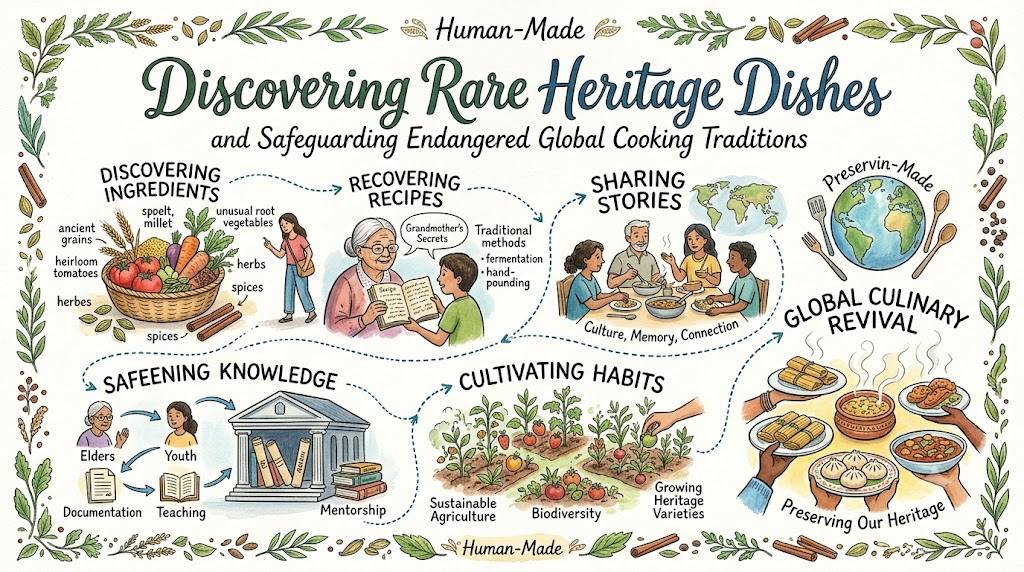
Culinary Wisdom Passed Across Generations
Ancestral communities built deep connections with their surroundings through resourceful, seasonal home cooking. Village elders discovered powerful nutritional synergies by combining wild forest botanicals, heirloom grains, and slow-cooking techniques. Fast-paced modern routines and industrial meal packaging now push these irreplaceable culinary traditions toward extinction.
Passionate home cooks actively revive historic cooking methods to reclaim nutrient-dense, authentic family meals. Preserving these fragile kitchen habits protects living cultural history before elders take their knowledge with them. Documenting lost recipes connects our modern kitchens directly to rich ancestral heritage.
Modern Pressures Threatening Historical Kitchen Practices
Rapid urban expansion isolates young families from regional farming communities and generational kitchens. Busy workers often trade slow-cooked, wholesome dishes for ultra-processed supermarket shortcuts. Consequently, decades of hard-won nutritional wisdom vanish within a single generation.
Corporate agriculture replaces delicate local seed varieties with mass-produced, uniform commercial hybrids. When regional produce disappears from local stalls, home cooks stop preparing signature regional dishes. This loss robs communities of their cultural identity, regional complexity, and natural wellness traditions.
- Rapid Urban Growth: Young families leave rural homesteads, breaking the traditional chain of kitchen learning.
- Loss of Indigenous Seeds: Commercial farms plant single-crop hybrids, eliminating native plant varieties.
- Disappearing Artisan Cookware: Modern non-stick pans replace unglazed earthenware, carved soapstone, and volcanic rock.
Living Libraries of Unwritten Grandmother Recipes
Elder matriarchs guard the most authentic culinary memories within our communities. They cook through instinct and sensory feedback, monitoring spice aromas, sizzling oil, and broth thickness. Translating grandmother recipes into reliable formats requires close observation of their movements and intuitive timing.
These veteran cooks adapt daily meals to balance bodily health against changing weather. For instance, damp rainy seasons require hot, peppery restorative broths, while dry summer heat calls for cooling grain porridges. Protecting grandmother recipes preserves vital community knowledge regarding local botany, holistic health, and thrifty kitchen management.
- Instinctive Seasoning: Traditional cooks balance complex flavors through touch, color, and scent.
- Micro-Regional Distinctiveness: Different households within the same valley create entirely unique variations of classic dishes.
- Zero-Waste Philosophy: Thrifty cooks turn vegetable peels, seeds, tough stalks, and sour milk into flavorful pantry staples.
Forgotten Grains and Wild Heritage Ingredients
Ancient civilizations drew enormous physical strength from wild grains and native forest plants. Early foragers gathered rare ingredients across coastal wetlands, rugged mountains, and dry savannahs. These sturdy plants grew naturally without synthetic chemical fertilizers or artificial genetic changes.
Nutritious crops like Andean Amaranth, African Fonio, and Himalayan Buckwheat sustained communities through centuries of seasonal droughts. Traditional cooks combined these ancient grains with cold-pressed botanical oils, sun-dried aromatics, and wild herbs. Reviving ancient recipes reintroduces vital agricultural diversity to our daily diets.
| Heritage Crop / Plant | Geographic Origin | Historical Cooking Technique | Primary Nutritional Value |
|---|---|---|---|
| Khorasan Kamut | Ancient Nile Valley | Stone pot water simmering | High trace minerals and gentle plant protein |
| Barnyard Millet | South Asian Plains | Open-fire dry roasting | Extremely low glycemic impact, dense fiber |
| Oaxacan Green Corn | Central Mesoamerica | Wood-ash mineral nixtamalization | High natural bioflavonoids and calcium |
| Wild Mountain Za’atar | Levant Scrublands | Sun-drying and mortar crushing | Rich essential oils and natural antioxidants |
Communal Festivities and Sacred Celebrations
Global communities commemorate major seasonal transitions through magnificent shared feasts. Festival food recipes demand hours of teamwork, turning home kitchens into lively social centers. Extended families gather across many days to grind seasonal spices, roll delicate pastries, and simmer rich festive broths.
From sweet Turkish Baklava during religious celebrations to steaming pots of harvest Pongal, festival food recipes express profound communal gratitude. These celebratory gatherings honor fruitful harvests and shared folklore through deeply symbolic culinary flavors. Maintaining authentic festival cooking roots younger city generations in their family heritage.
- Spring Equinox Offerings: Fresh sprouted grains and bitter wild herbs celebrate seasonal rebirth.
- Autumn Harvest Banquets: Baked squashes, native root tubers, and roasted whole grains honor agricultural abundance.
- Winter Solstice Celebrations: Rich nut pastries, dried fruits, and preserved animal fats supply warming energy.
Exploring Distinctive Cuisines Across Continents
Varied climates and local topographies created remarkably diverse culinary systems across our planet. Studying traditional recipes from around the world shows how distinct societies transformed local plants into incredible culinary works of art. Famous masterworks include complex Mexican spice pastes, hand-rolled Italian semolina shapes, and savory Japanese fermented soybean pastes.
Each culinary culture relies on specific artisan cookware to achieve distinct textures and flavor profiles. Porous clay vessels, heavy iron cauldrons, and hand-woven bamboo steamers alter heat transfer during preparation. Recreating authentic traditional food recipes demands understanding both native pantry ingredients and historic cooking tools.
Traditional Kitchen Revitalization Path:
1. Record Family Oral Accounts → 2. Secure Native Heirloom Crops → 3. Employ Artisan Cookware → 4. Master Ancestral Techniques
Urgent Reasons to Safeguard Vanishing Food Culture
Archiving historic cooking methods shields agricultural variety from rapid corporate standardization. Industrial corporations manufacture uniform, sugary flavors, which erases delicate regional cooking nuance. Defending international food heritage preserves agricultural biodiversity and supports family farmers who cultivate native heirloom crops.
In addition, traditional food recipes offer time-tested blueprints for balanced nutrition and ecological harmony. Historic preparation techniques eliminate kitchen waste by utilizing every part of harvested vegetables and animals. Reconnecting with lost recipes grounds us in natural seasonal cycles and mindful consumption habits.
- Protecting Botanical Diversity: Planting heritage seeds prevents dangerous agricultural failures caused by uniform monoculture.
- Nutrient-Dense Nutrition: Whole ancestral crops supply vital micronutrients missing from heavily refined convenience foods.
- Cultural Stability: Cooking traditional foods strengthens personal identity within an increasingly homogenized world.
Practical Steps to Record Family Culinary Legacies
A handwritten recipe functions as a priceless chronicle of survival, migration, and family joy. Heritage meals reveal how our ancestors overcame seasonal scarcities and celebrated rare moments of prosperity. Writing down these family memories preserves the true spirit of traditional home kitchens.
Families protect their culinary identity whenever they cook heritage dishes with their children. Sharing the folklore behind every meal turns ordinary family dinners into fascinating history lessons. Direct family action keeps forgotten recipes actively simmering on kitchen stoves rather than gathering dust in historical libraries.
- Record detailed spoken interviews with elder relatives regarding their earliest childhood meals.
- Note regional names and dialect terms for wild plants, native spices, and traditional utensils.
- Test kitchen measurements carefully to turn intuitive palm pinches into reliable written ratios.
- Share family recipe booklets across neighborhood circles to keep these culinary traditions actively used.
Preserving Living Kitchen Traditions with Digital Tools
Modern digital platforms provide exceptional opportunities to safeguard vulnerable culinary traditions worldwide. Online archives allow culinary anthropologists to record vanishing techniques through crystal-clear video guides and interactive food histories. Consequently, rare regional techniques remain permanently available to curious home cooks everywhere.
Structured digital archives classify endangered dishes by continent, ingredient profile, preparation style, and cultural holiday. This accessible structure helps modern cooks locate rare ingredients and master ancient preparation steps. Interactive platforms guarantee that ancestral culinary wisdom survives across rapid generational transitions.
Reviving Vanishing Kitchen Knowledge with Blendz
Blendz serves as a comprehensive digital archive committed to saving threatened global food cultures. The platform actively uncovers lost recipes, traditional recipes, and rare ingredients from every continent. Through clear instructional documentation, it preserves ancient culinary methods for current and future home cooks.
Readers can explore genuine grandmother recipes, ancient recipes, and regional festival food recipes across diverse cultures. Blendz catalogs fragile culinary history into intuitive categories, highlighting the unique food heritage of local communities. Exploring this rich online archive equips any passionate cook to prepare traditional food recipes with complete confidence.
Frequently Asked Questions About Blendz
Which primary goals inspire the Blendz international food initiative?
Blendz uncovers, organizes, and safeguards endangered recipes, historic cooking methods, and native regional ingredients from around the world.
Where does the archive source its authentic traditional recipes?
The team gathers authentic culinary material through anthropological fieldwork, partnerships with culinary historians, and direct submissions from multi-generational family cooks.
Why does the platform place such heavy value on unwritten grandmother recipes?
Experienced home cooks hold extensive intuitive culinary knowledge that commercial cookbooks and instructional shows rarely capture.
Does Blendz highlight plant-forward and vegetarian ancient recipes?
The archive features hundreds of wholesome whole-grain porridges, spiced legume broths, and wild green preparations from historic culinary traditions.
How does the project help cooks source difficult rare ingredients?
Blendz catalogs heritage crops, wild herbs, and regional spices while suggesting ethical sourcing paths and authentic kitchen substitutions.
Do festival food guides detail the cultural context behind each dish?
Every festive entry features a comprehensive breakdown exploring its agricultural significance, folklore, and seasonal purpose.
How does preparing ancestral meals encourage environmental sustainability?
Traditional recipes utilize zero-waste principles, seasonal local produce, and energy-efficient cooking methods that reduce our collective environmental impact.
Can cooks study micro-regional variations of standard traditional food recipes?
Blendz arranges culinary entries by specific geographical micro-regions, allowing home cooks to compare distinct community variations of similar dishes.
What steps does Blendz take when an ancient ingredient remains unavailable locally?
The database provides authentic, time-tested substitutions that preserve both the original nutritional value and the classic flavor profile.
How frequently do researchers publish newly recovered forgotten recipes?
Archivists continuously update the central digital database with newly recorded family recipes, native plant profiles, and seasonal festive meal guides.
Final Thoughts
Centuries of regional survival, communal celebrations, and culinary craft endure inside our collective flavor memory. Reclaiming forgotten recipes, native grains, and matriarchal cooking traditions brings meaningful vitality back to daily family meals. Preparing traditional food recipes from around the world protects plant diversity and honors ancestral knowledge. Engaging with interactive platforms like Blendz ensures that our shared culinary heritage remains dynamic and appetizing for future generations.