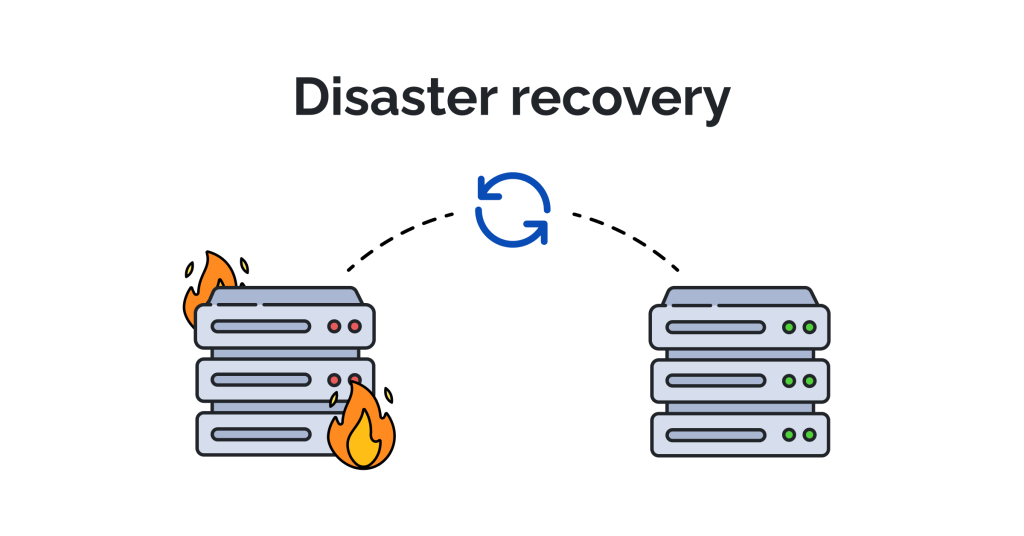
XOPS enhances disaster recovery and business continuity through a combination of automation, integrated operational practices, and real-time monitoring. Here are the key aspects of how XOPS addresses these critical areas:
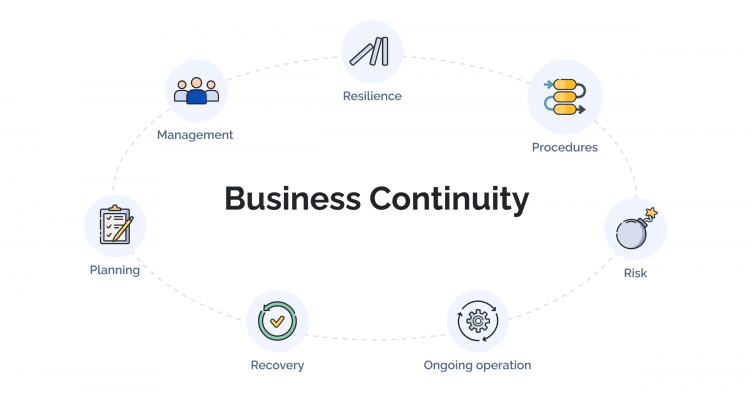
1. Automated Recovery Processes
XOPS leverages automation to streamline disaster recovery processes. By automating backup and recovery tasks, organizations can significantly reduce the time required to restore systems and data after a disruption. This minimizes downtime and ensures that business operations can resume quickly.
2. Continuous Monitoring and Alerts
With its focus on observability, XOPS provides continuous monitoring of IT infrastructure and applications. This capability allows for the early detection of potential issues that could lead to disasters. Real-time alerts enable IT teams to respond proactively before minor problems escalate into major incidents.
3. Integration of Multiple Ops Disciplines
XOPS integrates various operational disciplines such as DevOps, DataOps, and AIOps. This holistic approach ensures that all aspects of the IT environment are considered during disaster recovery planning. For example, DataOps can help ensure that data integrity is maintained during recovery efforts, while AIOps can analyze patterns to predict potential failures.
4. Comprehensive Runbook Automation
XOPS facilitates runbook automation, which includes predefined procedures for responding to specific disaster scenarios. By automating these runbooks, organizations can ensure that recovery actions are executed consistently and efficiently, reducing reliance on manual processes that may be error-prone under stress.
5. Scalability for Business Continuity
The scalable nature of XOPS allows organizations to adapt their disaster recovery strategies as business needs change. This flexibility is crucial in ensuring that the recovery plans remain effective in the face of evolving threats or operational requirements.
6. Collaboration Across Teams
XOPS promotes collaboration among various teams involved in disaster recovery efforts, such as IT, security, and operations. This collaborative environment enhances communication and ensures that all stakeholders are aligned in their response strategies.
Practical Applications:
- DataOps for Data Integrity: Incorporating DataOps ensures that data pipelines are resilient and can recover swiftly from failures, maintaining data integrity during disasters.
- MLOps for Model Reliability: MLOps practices ensure that machine learning models remain operational and can be redeployed efficiently after disruptions, preserving critical analytical capabilities.