Networking is core to DevOps.
If DevOps is about connecting development and operations, networking is what literally connects everything underneath: apps, services, containers, clouds, users, APIs, databases, CI/CD pipelines… all of it.
Let’s break this down properly.
Why Networking Is Critical for DevOps
Everything in DevOps Talks Over a Network
In modern DevOps environments:
- Microservices communicate over HTTP/gRPC
- Containers talk to each other via virtual networks
- CI/CD pipelines push artifacts to remote registries
- Apps connect to databases
- Monitoring systems scrape metrics endpoints
- Users access services via load balancers
If networking fails → the system fails.
DevOps engineers must understand how traffic flows.
Key Networking Concepts Every DevOps Engineer Must Know
1. IP Addressing & Subnetting
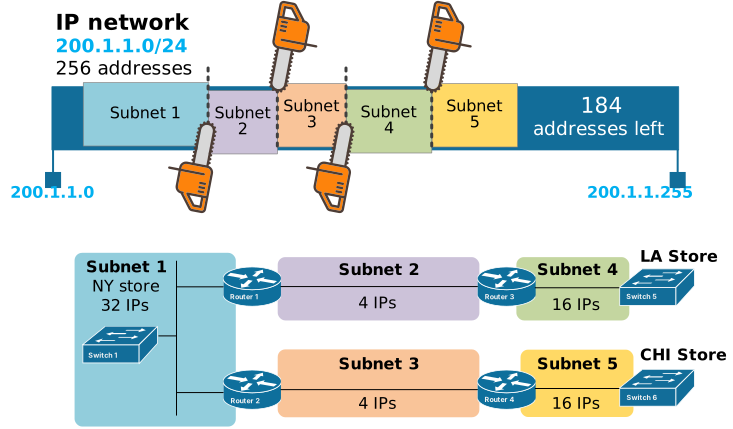
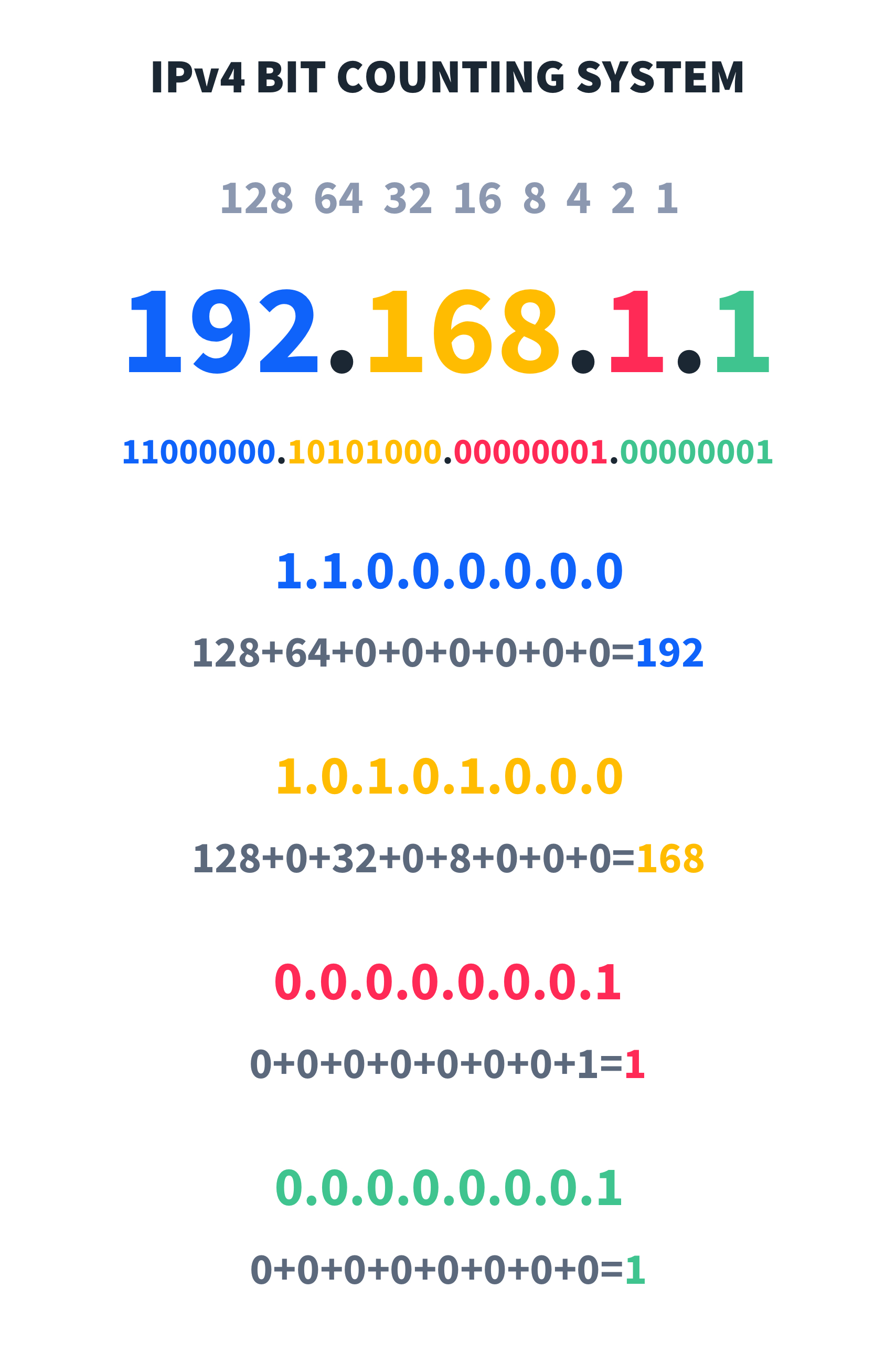
Why It Matters in DevOps:
- Designing VPC networks
- Allocating IP ranges for Kubernetes clusters
- Avoiding IP conflicts
- Planning scalable infrastructure
You Must Understand:
- IPv4 vs IPv6
- CIDR notation (e.g.,
/24,/16) - Public vs Private IP
- NAT (Network Address Translation)
Without this, cloud architecture becomes guesswork.
2. DNS (Domain Name System)

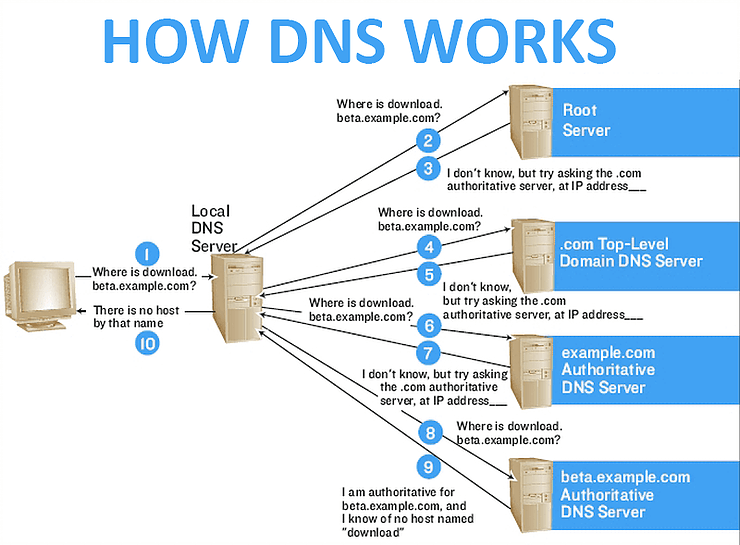
Why It Matters:
- Mapping domain names to services
- Service discovery in Kubernetes
- SSL certificate validation
- CI/CD environment routing
If DNS misconfigures → production outage.
You should understand:
- A records, CNAME, TXT
- DNS propagation
- Internal DNS vs Public DNS
- CoreDNS in Kubernetes
3. Ports & Protocols
Every application runs on a port.
- HTTP → 80
- HTTPS → 443
- SSH → 22
- MySQL → 3306
- PostgreSQL → 5432
DevOps engineers constantly:
- Open firewall rules
- Configure security groups
- Debug blocked ports
If you don’t know how TCP/UDP works, debugging becomes painful.
4. Load Balancing

Why It Matters:
- High availability
- Horizontal scaling
- Blue/Green deployments
- Canary releases
Common tools:
- Nginx
- HAProxy
- Cloud load balancers (AWS ALB/NLB, etc.)
Without networking knowledge, traffic routing strategies won’t make sense.
5. Virtual Private Cloud (VPC)
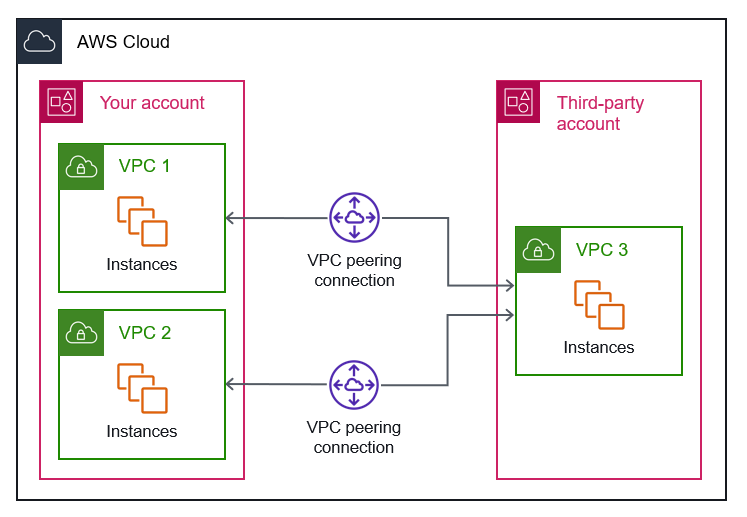
In Cloud DevOps:
You design:
- Public subnets (load balancers)
- Private subnets (app servers)
- Isolated DB networks
Must understand:
- Route tables
- Internet gateway
- NAT gateway
- VPC peering
- Security groups vs NACLs
Cloud networking = 50% of DevOps infra work.
6. Container Networking
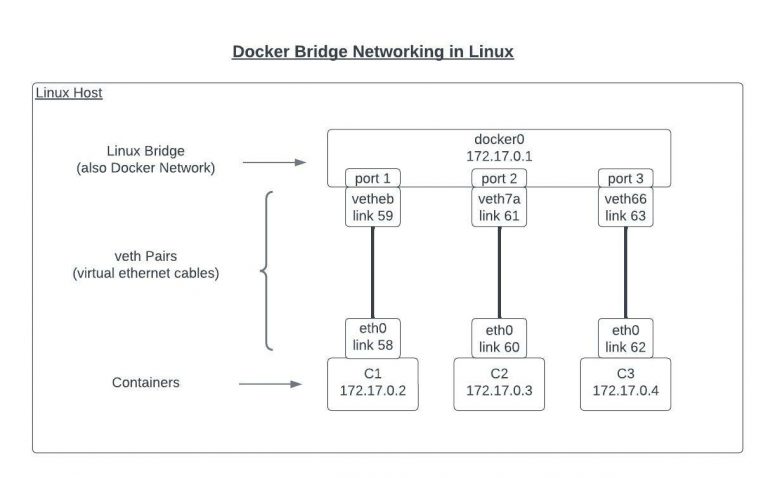
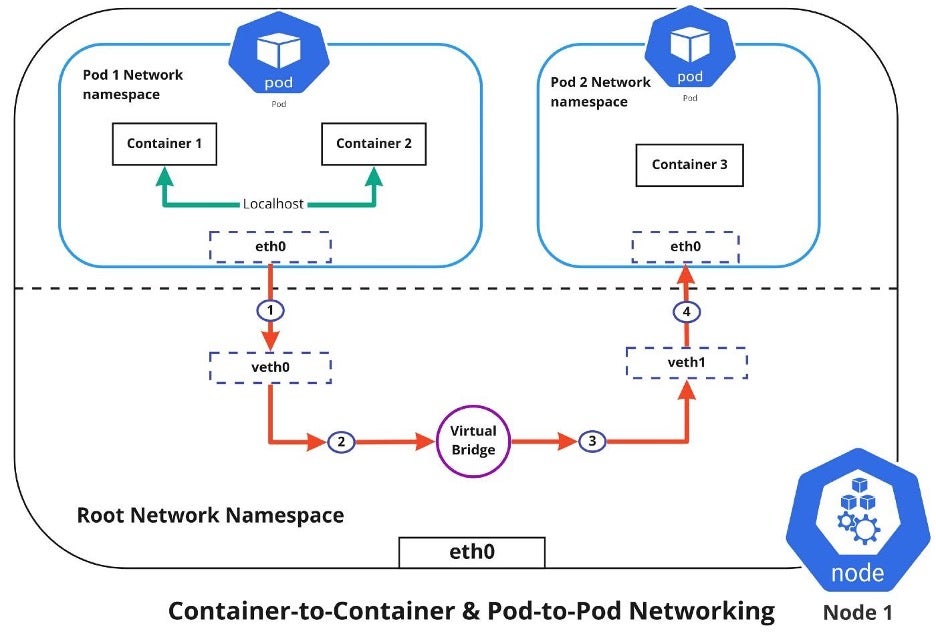
In Docker:
- Bridge network
- Host network
- Overlay network
In Kubernetes:
- Pod-to-pod communication
- ClusterIP / NodePort / LoadBalancer
- CNI plugins (Calico, Flannel, etc.)
If you don’t understand networking → Kubernetes feels like magic.
7. Security & Firewalls
DevOps includes DevSecOps mindset.
You must know:
- TLS/SSL basics
- HTTPS handshake
- Security groups
- Zero trust networking
- VPNs
- Bastion hosts
Misconfigure one rule → data breach.
Real DevOps Tasks That Require Networking
| DevOps Task | Networking Required? |
|---|---|
| Deploy app to Kubernetes | Yes |
| Set up CI/CD | Yes |
| Configure GitHub runner in private network | Yes |
| Debug 502 Bad Gateway | Yes |
| Expose API to internet | Yes |
| Secure database access | Yes |
| Multi-region failover | Yes |
There is almost no DevOps task without networking.
Practical Scenarios
Scenario 1:
App works locally but fails in production
→ Likely networking issue (firewall, DNS, wrong port)
Scenario 2:
Pods can’t talk to database
→ Subnet or security group issue
Scenario 3:
Website slow
→ Load balancer, routing, latency, CDN issue
How Networking Makes You a Strong DevOps Engineer
If you know networking:
✅ You debug faster
✅ You design scalable systems
✅ You understand cloud deeply
✅ You avoid production outages
✅ You can architect microservices properly
If you don’t:
❌ You depend on network team
❌ You guess configuration
❌ You struggle in interviews
❌ You misconfigure cloud infra
Tools DevOps Engineers Use (Networking Related)
pingtraceroutenetstatsstcpdumpcurldignslookupiptables- Wireshark
If you master these → you’re dangerous (in a good way 😄).
Networking + DevOps = Career Growth
In interviews, networking questions are very common:
- Explain TCP 3-way handshake
- Difference between L4 and L7 load balancer
- How Kubernetes networking works
- What happens when you enter google.com in browser?
- Explain VPC architecture
Strong networking knowledge = higher salary bracket.
What Should You Learn Step-by-Step?
Here’s a roadmap:
- OSI & TCP/IP model
- IP addressing & subnetting
- DNS
- HTTP/HTTPS
- Firewalls
- Load balancing
- Cloud VPC networking
- Kubernetes networking
- Service mesh basics
Final Truth
DevOps is not just CI/CD.
It is:
- Infrastructure
- Automation
- Reliability
- Security
- Scalability
And networking is the backbone of all of it.
If you’re serious about becoming a strong DevOps engineer, networking is not optional — it’s mandatory.