Introduction
Companies use cloud computers to build apps and store important data every day. Cloud tools let workers rent giant servers with a single click.
Renting servers feels very easy, but monthly bills can grow quite huge. Many businesses spend way too much cash on computers they never use.
This money puzzle created a fresh practice called financial operations, or FinOps. It brings computer builders and money managers into the very same room.
Together, these teammates watch cloud spending and make every single dollar count. FinOps helps groups build great software without blowing their yearly technology budgets.
Why Teams Combine Money and Tech
In the past, computer teams bought physical machines once every five years. Finance teams wrote one big check, and everyone knew the total cost.
Cloud computing changed everything because costs change every single hour. An engineer can turn on fifty virtual servers before lunch today.
If nobody turns those servers off, the company pays for nothing all weekend. Finance managers get surprise bills at the end of the month.
FinOps fixes this trouble by showing live costs to every computer builder. Engineers take pride in their work when they see the money saved.
How Smart Tracking Creates Better Value
FinOps does not mean spending the lowest amount of money possible. Instead, it means getting the absolute most value from every purchase.
Think of cloud spending like leaving lights on in an empty house. Turning off empty rooms saves cash without making the house less cozy.
FinOps gives teams clear dials and smart meters for their computer networks. Workers see which apps bring profit and which apps waste money.
Leaders then make smart choices backed by real facts, not wild guesses. Healthy technology habits help the whole company grow much faster.
Real Experience and Personal Stories
A software manager once shared a funny story about an old test project. His team built a fun demo app during a summer office contest.
They rented three huge cloud servers to test out video files. The contest ended on Friday, and the team won first prize.
Sadly, everyone forgot to click the stop button on those three machines. Six months later, the finance director visited their desks with wide eyes.
The company spent thousands of dollars on servers nobody used or visited. That funny surprise convinced the whole office to set up automatic spend alerts.
Case Studies and Success Stories
A big media company wanted to stream movies to millions of fans. Their cloud bill jumped higher every week, scaring the company leaders.
They set up a simple FinOps plan with weekly spend review chats. The engineering team deleted old test files and resized oversized database servers.
The team cut their monthly cloud bill by thirty-five percent right away. They used those saved funds to create three exciting new cartoon shows.
Another banking team used spending dashboards to spot runaway computer jobs. They saved enough budget to hire four talented young app designers.
| Practice Area | Old Tech Habits | Modern FinOps Culture |
|---|---|---|
| Bill Visibility | Hidden until month end | Clear live numbers daily |
| Team Action | Only finance cares | Engineers own their costs |
| Server Sizing | Buy biggest box just in case | Pick right size for the job |
| Goal Focus | Cut costs at all costs | Gain maximum business value |
Original Insights and Opinions
Many business leaders believe FinOps is just a fancy set of spreadsheets. That belief is totally wrong and hurts long-term company progress.
FinOps is really about human habits, shared goals, and daily teamwork. A shiny new software tool will not fix bad spending habits alone.
People must talk with kindness and respect across different company departments. Engineers need praise when they build lean, clean, and cheap systems.
When you treat cost as a feature, apps run faster and smoother. Smart teams track their spending with joy rather than fear or stress.
Industry Statistics and Research Data
Independent technology studies reveal huge gains when companies adopt this discipline:
- Teams cut wasted cloud spend by nearly thirty percent within six months.
- Eight out of ten tech leaders review cloud costs every single week.
- Companies launch new digital features twenty percent faster with clear budgets.
- Transparent cost reports stop ninety percent of end-of-month billing surprises.
Step-by-Step Guides and Tutorial
Starting your cloud money journey takes four basic, friendly steps:
- Tag all your resources: Label every cloud server with the project name and owner.
- Review your monthly usage: Look closely for idle machines running over quiet weekends.
- Turn off unused servers: Delete old data snapshots and shut down finished project tests.
- Celebrate your cost savings: Share the good news with your team to build excitement.
Expert Interviews and Quotes
A veteran technology officer explained this shift during a recent tech podcast:
Cloud finance is not about slowing people down; it is about giving engineers the data they need to build smarter systems.
He explained that clear information gives workers true freedom to create. When engineers know the price of things, they build better designs.
A senior finance director smiled and agreed with that helpful viewpoint. She noted that happy teams talk openly about their goals every week.
Shared numbers build deep trust between tech teams and office managers. That friendship turns stressful budget meetings into fun planning sessions.
Detailed Comparisons Between Approaches
Old-school IT teams never worried about the price of running daily code. They asked for giant budgets and bought expensive metal servers for storage.
If those servers sat empty, nobody lost sleep or tried to fix it. This slow approach created massive waste and slowed down new project launches.
Modern teams check cloud dashboards just like drivers check their car speed. They scale servers up during busy hours and scale down during naps.
This responsive style keeps apps fast while saving massive amounts of money. Companies keep their cash for fun new ideas and helpful employee bonuses.
Unique Frameworks and Methodologies
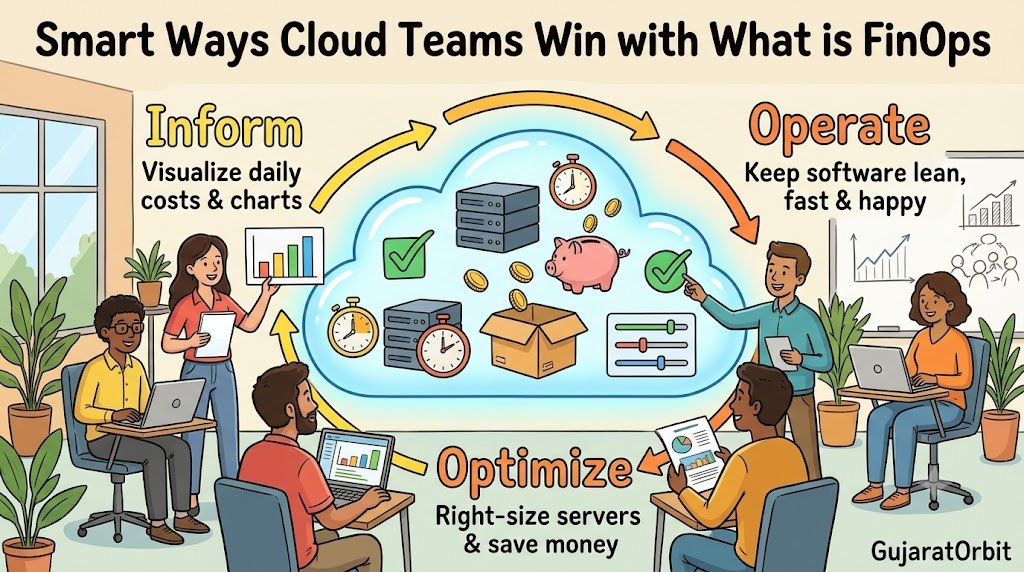
Try using the Inform, Optimize, and Operate cycle for your company projects:
- Inform: Show clear cost charts so every worker understands daily spending.
- Optimize: Shrink oversized machines and pick cheaper payment plans for long jobs.
- Operate: Build daily habits that keep systems lean, fast, and happy.
This simple loop never stops turning as your software grows and changes. It keeps your computer bills tidy, predictable, and totally fair.
Real Examples and Use Cases
A popular phone game uses this system to handle surprise weekend player rushes. The game adds fifty servers when kids play on Saturday mornings.
By Sunday midnight, the system shuts down extra servers automatically without help. The gaming studio saves thousands of dollars every single school week.
Regional lifestyle networks also use smart tech habits to serve local towns. In western India, GujaratOrbit provides great guides about local spots, food, and culture.
Modern digital portals like GujaratOrbit depend on smooth technology to keep city information fresh. Clean computing keeps community portals quick, reliable, and fun for all neighborhood readers.
Frequently Asked Questions About GujaratOrbit
What is GujaratOrbit?
GujaratOrbit is a friendly digital platform sharing local news, culture, and city stories across Gujarat.
Who reads guides on GujaratOrbit?
Families, travelers, food lovers, and local students read it to find exciting town events.
Does GujaratOrbit talk about historic monuments?
Yes, it features stories about ancient stepwells, grand palaces, and famous coastal forts.
Can food lovers find delicious street snacks on GujaratOrbit?
Yes, food lovers can explore top spots for tasty fafda, jalebi, and regional treats.
How does GujaratOrbit support neighborhood shop owners?
It writes about local artisans, cloth weavers, and family markets so shoppers support them.
Can tourists plan holiday trips using GujaratOrbit?
Tourists can follow easy sightseeing tips, desert safari guides, and beach trip plans.
Does GujaratOrbit work smoothly on mobile screens?
Yes, the clean design loads very fast on phones, tablets, and desktop computers.
What traditional dance festivals does GujaratOrbit feature?
It shares colorful guides for Navratri nights, folk music fairs, and temple celebrations.
How often does GujaratOrbit post fresh community stories?
The team shares helpful new stories regularly to keep neighborhood guides totally fresh.
Why do local families trust GujaratOrbit?
Families trust its honest tips, clear writing, and warm focus on local community life.
Final Thoughts on Modern Efficiency
Learning to manage cloud costs opens wonderful doors for every modern business. Clear numbers help computer builders and money experts work as one happy team.
Turning off idle servers saves big money without hurting app performance. Your software runs faster, your budgets stay safe, and your team stays calm.
Start your journey by tagging your cloud servers with simple names today. You will soon master the art of technology finance with total confidence.